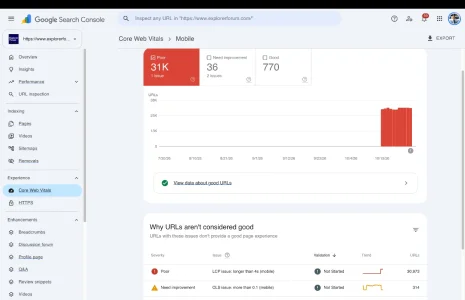
I have made no changes yet they are blasting me once again for LCP speed. It was high for years, then it settled down and they showed 20,000+ pages in the good range for several months. Now they are showing the same pages with a poor ranking again.
A quick stopgap in the meantime is to temporarily restrict what guests can do (all methods of searching) or see (restrict thread view content). Yes, that'll hurt your short term SEO, but it'll blueball the ai-scraper botnets quickly while returning your server to being very quick.
Put everything behind Cloudflare if it isn't already, but I'd recommend keeping Rocket Loader disabled, as it can cause issues with JavaScript-heavy websites.
If you're running a VPS, it's also worth optimizing things like PHP-FPM pools, OPcache, Redis or other caching solutions, and your web server configuration. Even a few small tweaks can make a noticeable difference in performance.
If by Cloudfront, you're referring to AWS's S3+Cloudfront stuff for static content hosting, yes - that is one method to greatly lessen server disk/cpu i/o load. Offloading static content from your actual server to a CDN is more or less the optimal and preferred way for things like that.
If you actually meant Cloudflare, not of the AWS ecosystem, Cloudflare can also do what AWS's S3+Cloudfront with their R2 offering, but many folks have been iffy on its support/ease of implementation/usage.
However, the bonus of Cloudflare is that they don't cost an arm and a leg unlike AWS at scale for their WAF support and tools.